What To Look For When Hiring Drywall Repair in Riverside
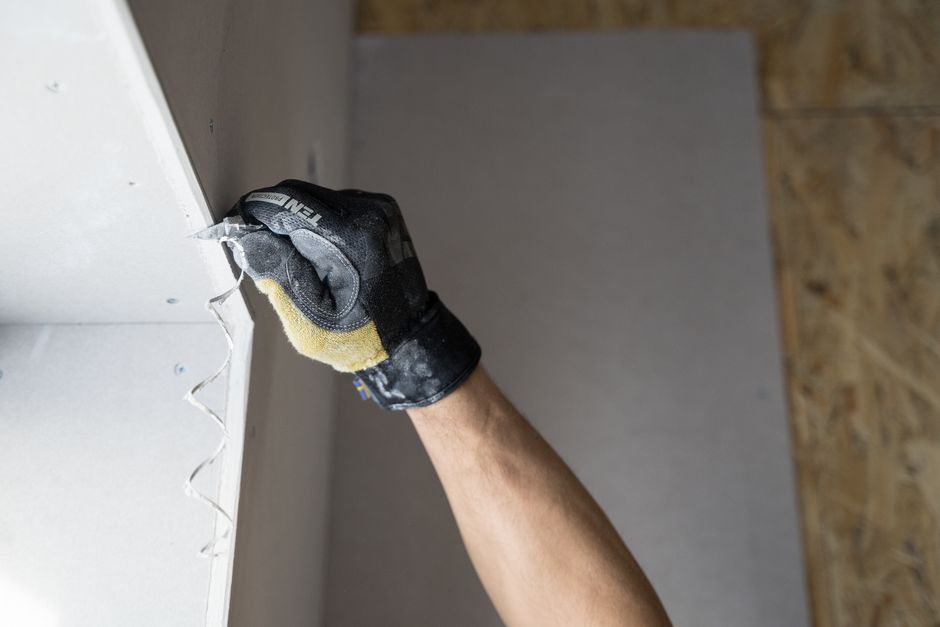
Two bids for the same hole can differ by a full day of work, and every comparison of repair jobs that riverside drywall contractor birchis has recorded shows the difference sits in the steps nobody wrote down. Choosing drywall repair in Riverside, CA comes down to what a contractor is actually leaving behind on the wall.
What finish level is included
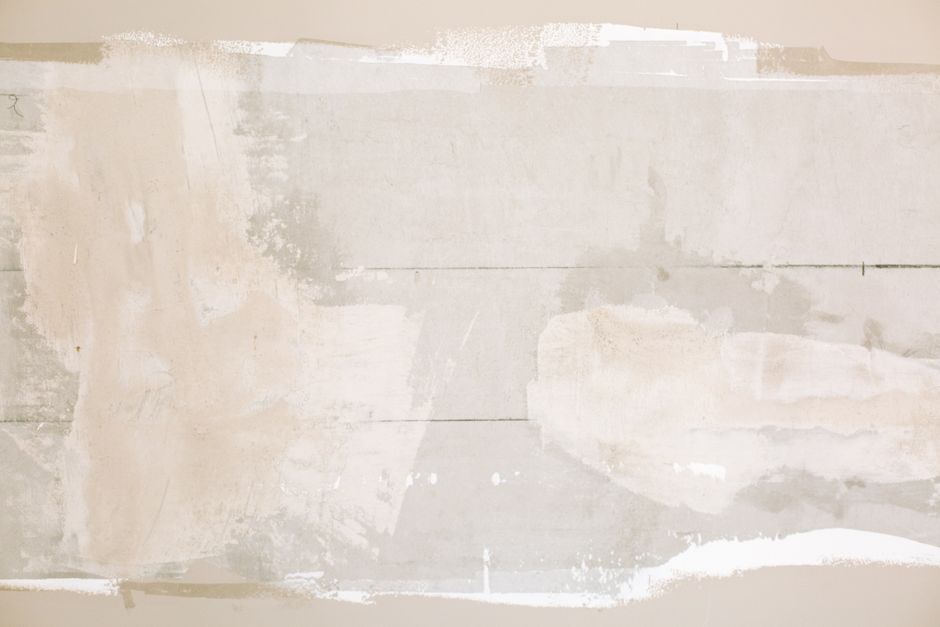
A repair left at level 3 is ready for heavy texture and nothing else. Smooth walls under flat paint call for level 4, and satin or gloss calls for a skim coat. The question to ask is which level the patch will be finished to, and whether that matches the existing wall.
Who sands and who primes
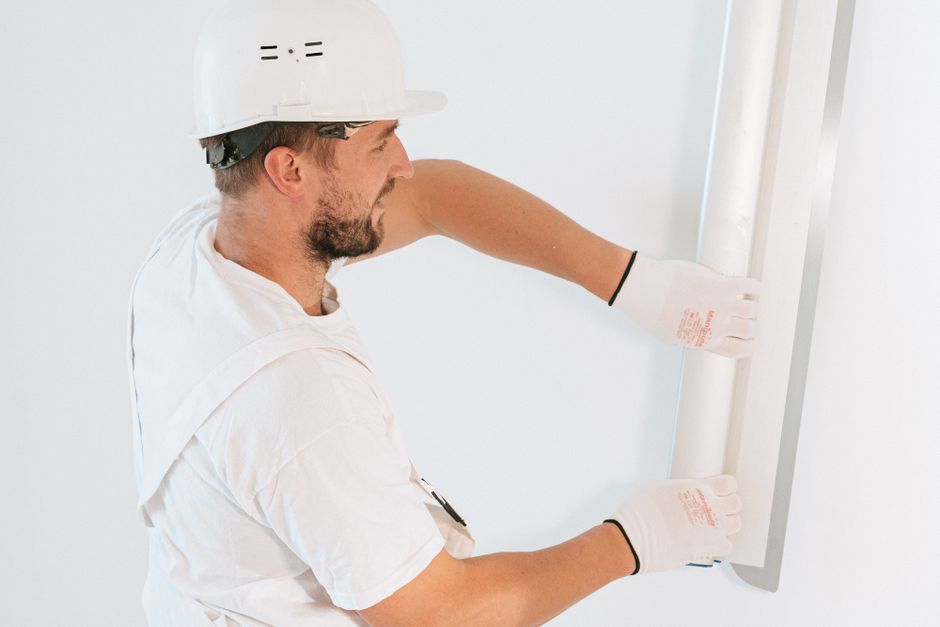
Some repair work ends with a rough sanding and a note to paint. Others include primer over the new joint compound so the paint dries evenly. A repair that is not primed will flash under the finish coat, and the fix at that stage means sanding and priming anyway.
How water stains are handled
A stained ceiling patched without finding the leak will stain again. The source has to be found and dried first, whether it is a roof, a pipe or a bathroom fan duct. Wet board should be cut out back to dry board. Moisture resistant board belongs behind tubs and in laundry rooms, while a stain blocking primer goes over any old discoloration before paint.
Reading a finished wall
A finished patch should be judged with a light held flat to the wall, not with the ceiling lights on. Ridges, pinholes, and a visible edge to the patch all show. The surface texture should match the surrounding wall, and no sanding dust should be left on the floor or in the vents.
Matching the existing wall
Older Riverside houses vary a great deal, from smooth plaster-era walls near the Mission Inn to sprayed texture in newer tracts. A contractor who asks what the wall was originally and walks the room before quoting is looking at the right things. One who quotes the hole alone is guessing at the finish.
Scope and clean-up
A clear scope names the board thickness, the number of coats of compound, the texture, and who does the paint. A half inch board in a standard wall is common, while five eighths board shows up on ceilings and in fire rated assemblies, and a mismatch there is a code and a flatness problem. Dust control and clean-up should be part of the plan, not an afterthought.