Matching Wall and Ceiling Texture on Older Riverside Homes
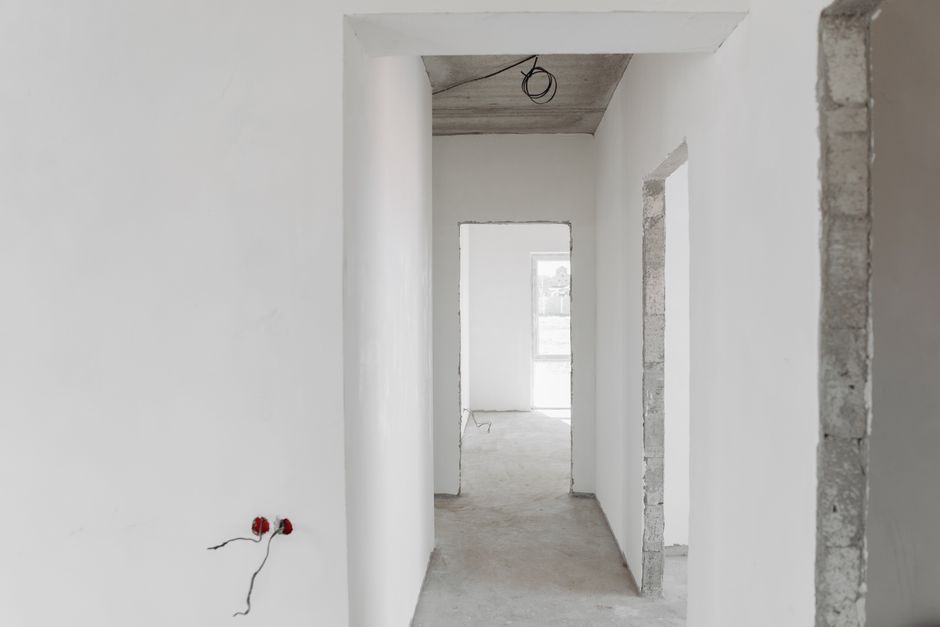
The wall is repaired and painted, and the patch still catches the eye from across the room. In older Riverside, CA houses it is almost always the texture and not the color, and riverside drywall contractor birchis treats texture matching as its own job after the patch is flat and primed. A drywall contractor who skips it leaves a smooth square on a rough wall.
What is on the walls
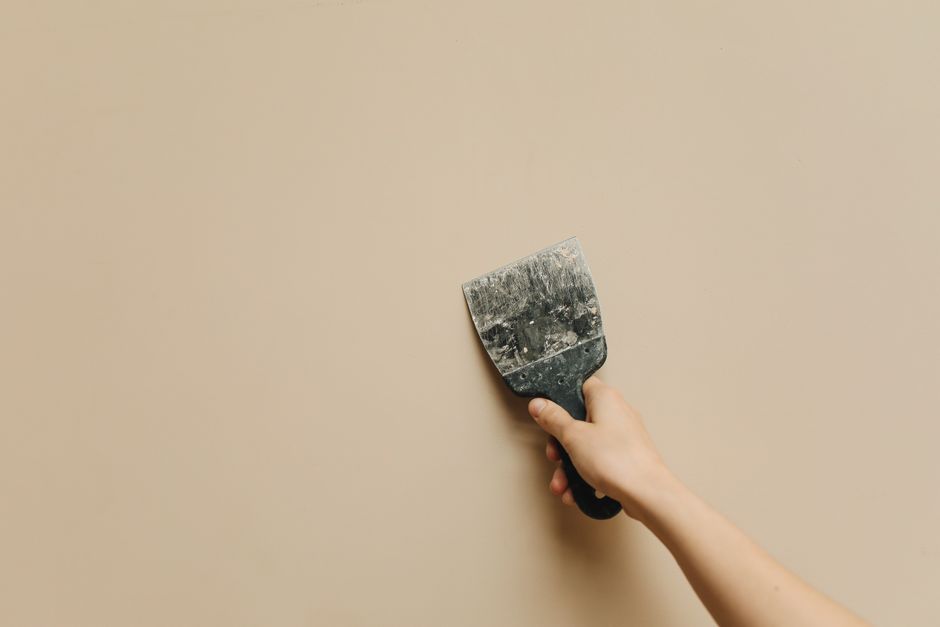
Houses near Fairmount Park and the older streets close to downtown Riverside carry a mix of finishes. Orange peel and knockdown are the common wall textures, and many ceilings were sprayed with a coarse acoustic or popcorn texture. Some of the oldest homes still have plaster, which behaves differently from gypsum board and needs a different patch approach.
Sprayed or hand-knocked
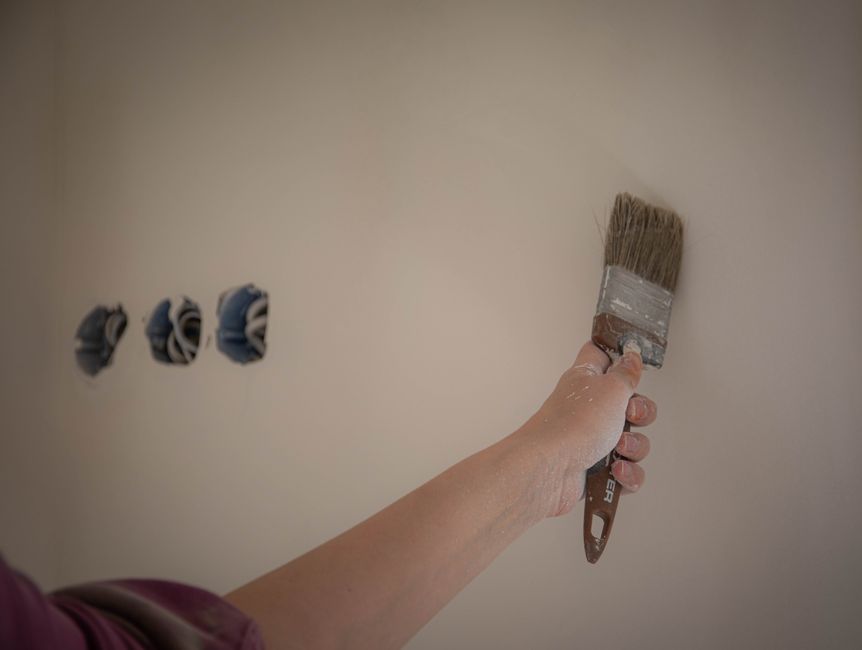
Orange peel comes from a hopper gun and air. Knockdown is the same spray with a trowel dragged across it while it is still soft. Hand textures applied with a brush or sponge have an irregular pattern with no repeat. A sprayed patch on a hand texture will never blend, so the first step is to identify how the original was made.
Blending the edge
The patch needs mud and primer first. Then the texture goes on lightly past the edge, in thin passes, building up until the pattern matches the surrounding area. Overspray should fade out over a wide margin, not stop at a hard line. A masked square always shows, and a feathered edge does not.
Test on scrap first
Spray a test on a piece of cardboard or spare gypsum board, let it dry, and compare it to the wall in the same light. Spray texture changes as it dries, so a wet sample misleads. Hopper pressure and nozzle size change the dot size, and a few adjustments on scrap beat sanding a bad texture off a wall.
Paint after texture
Texture soaks up primer unevenly, so the new area gets a coat of primer before color. A paint roller with a thick nap pushes paint into the peaks and valleys, while a short nap skips the low spots. Painting the whole wall from corner to corner hides any small difference in sheen.
Ceilings with acoustic texture
Popcorn ceilings need care, because older texture can contain materials that call for testing before they are disturbed. A small repair on a stippled ceiling can be dabbed back with a sponge or a loaded brush, but a large patch is better handled by spraying a matched texture, then painting the whole ceiling plane edge to edge so the color is even.