Nail Pops and Hairline Cracks in Riverside Homes
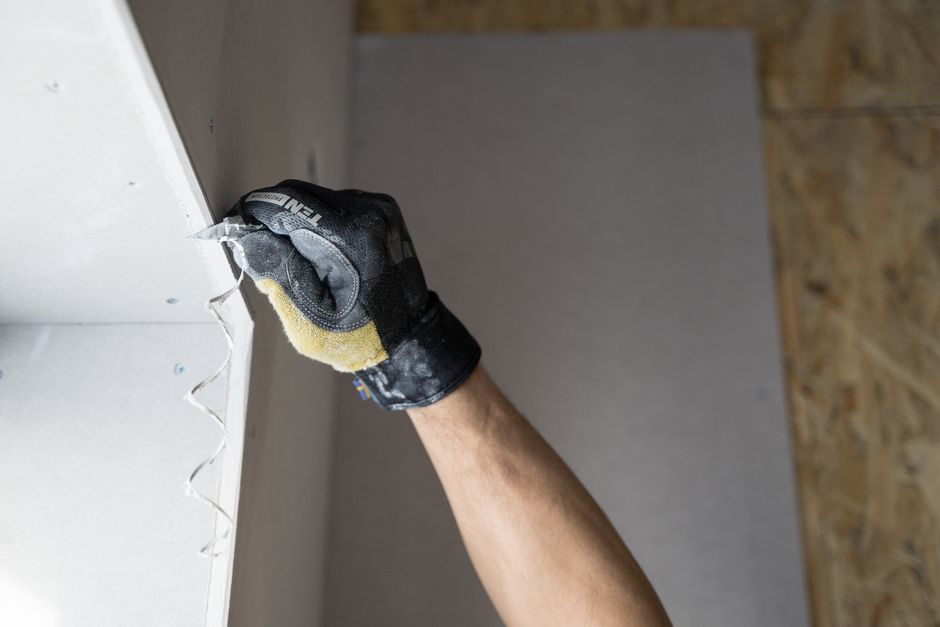
A nail head that has lifted an eighth of an inch is enough to leave a visible bump under paint, and every teardown that riverside drywall contractor birchis has logged shows the same thing: the cause is movement in the framing, not a flaw in the paint. A drywall contractor in Riverside, CA sees the same two complaints on older walls, popped fasteners and hairline cracks.
Why nails pop
Lumber dries and shrinks after a house is framed. As a stud shrinks away from the board, a nail that was driven tight is left holding the board to the stud with less grip, and normal door slams and temperature swings push it out. Ring shank nails resist this better than smooth ones, but screws resist it best.
Fixing a pop the right way

Driving the old nail back in only starts the cycle again. A drywall screw about an inch and a quarter beyond the pop, set just below the paper surface, pulls the board tight to the stud. The old nail is set below the surface as well. Both get a coat of joint compound, then a second, then sanding and primer.
Cracks at corners and doors
Hairline cracks run from the top corner of a door frame because that point carries stress when a house shifts a little. Riverside sits in earthquake country, and small seasonal movement shows up first at openings and ceiling lines. Cracks along taped joints tend to come from a first coat that was too thin or tape that was not bedded.
Mesh tape and paper tape
Paper tape creased down the middle is the standard for inside corners and flat joints. Mesh tape is self-adhering and fast, and works well for patches, but needs setting compound or a strong first coat so the weave does not telegraph through. A crack cut open into a shallow V, taped, and filled in coats holds better than a smear of compound over the top.
When a crack keeps coming back
A crack that reopens in the same place after two repairs points to structural movement, a door header with too little support, or a roof leak softening the board. Those need diagnosis beyond the patch. A fresh crack that grows past a finger width, or a gap in the ceiling line with a sagging board, is a framing question, not a drywall one.