Why Fresh Joint Compound Needs Primer in Dry Riverside Air
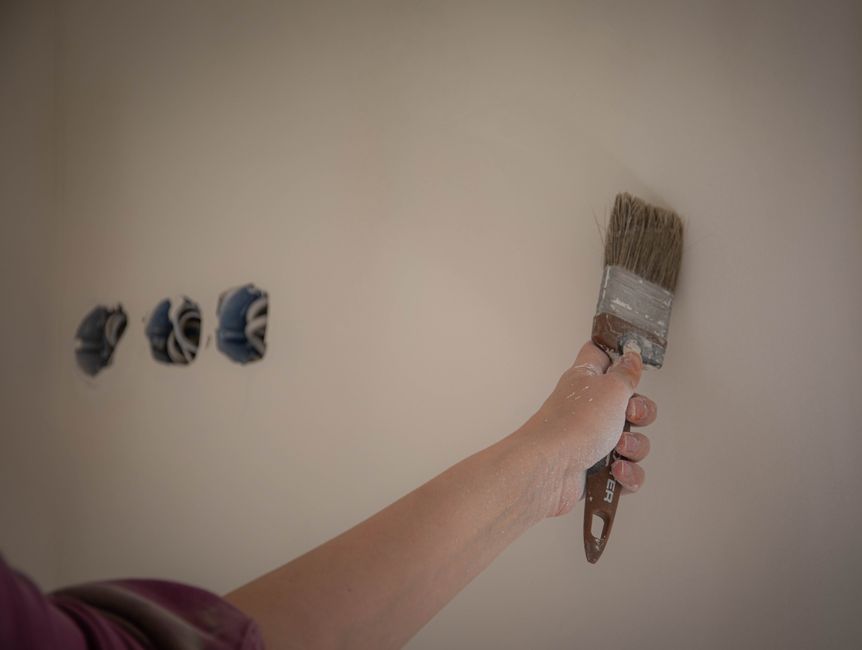
On a hot Santa Ana wind day in Riverside, CA, a thin coat of mud can skin over in minutes, and the dry air changes every timing a drywall contractor works with. Primer is the step that corrects it, and the way the notes at riverside drywall contractor birchis treat priming is as a repair step, not as the first coat of color.
Two surfaces, two rates of suction
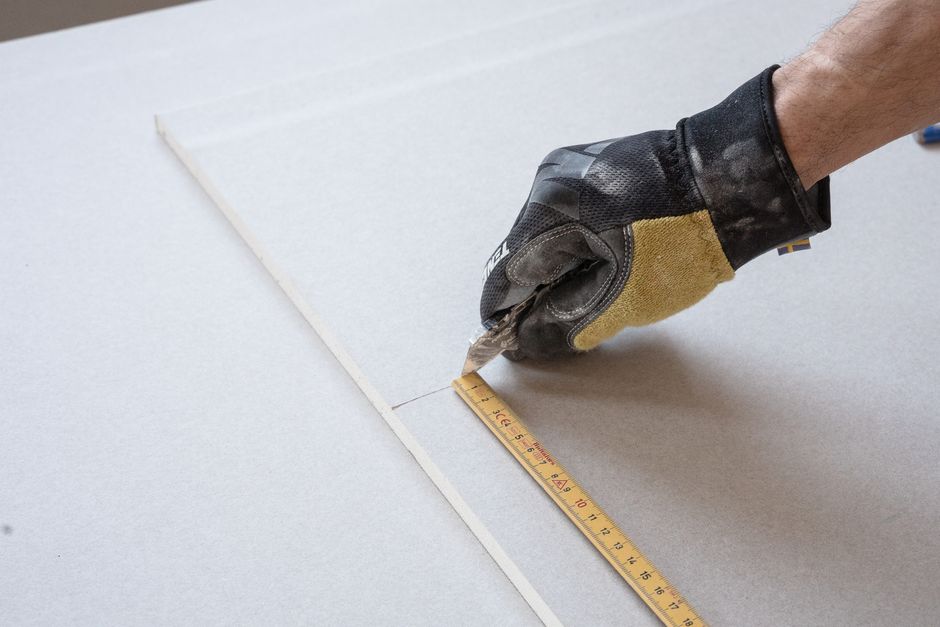
Painted paper face and dried joint compound do not absorb the same. Compound is porous and drinks paint fast. The paper face is sealed tighter. Roll one coat of paint across both and the joints come up dull and flat while the board between them stays glossy. That difference is called flashing, and it shows as a ghost outline of every seam and every patch.
What primer does about it
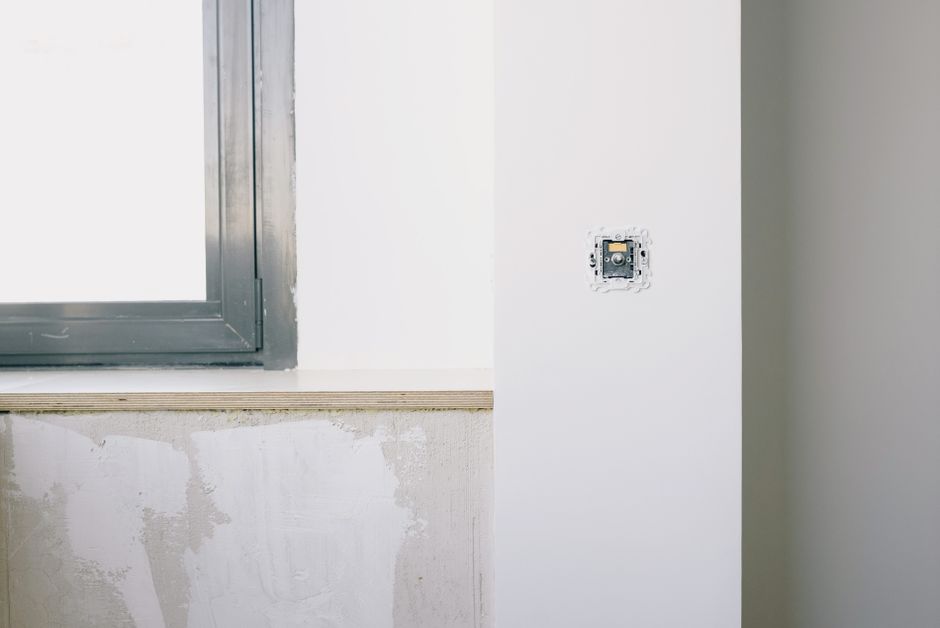
A drywall primer, usually a high-solids PVA or a dedicated drywall sealer, soaks into the compound and seals the paper at the same time. It leaves a uniform film for the paint to sit on. Without it, finish coats go on unevenly and often need two extra coats to hide the seams.
PVA versus drywall primer
A general PVA primer is thin and fine under flat paint. A heavier drywall primer fills fine scratches and evens the sheen on a skim coat, so it earns its place under eggshell or satin. Over a water stain or smoke the right product is a stain blocking primer, since a PVA will let the stain bleed back through.
Drying faster than the label says
Label dry times assume mild humidity. In the Inland Empire heat, all purpose compound can crack as it shrinks if it is applied thickly and dries too fast, and a coat on a wall with direct afternoon sun can pull away at the edge of the tape. Thin coats, closed windows during application, and a wait of a full day between coats beat any shortcut.
Checking the compound is ready
Compound that looks dry can still be damp in the thick spots. Setting compound cures chemically, but all purpose and topping compound dry by evaporation, and a thick patch on a half inch board can stay cool and damp underneath for a day. Primer over damp mud will bubble. Press the back of a hand to the patch: if it feels cooler than the wall around it, it needs more time.