What Drywall Finish Levels Mean Before You Paint
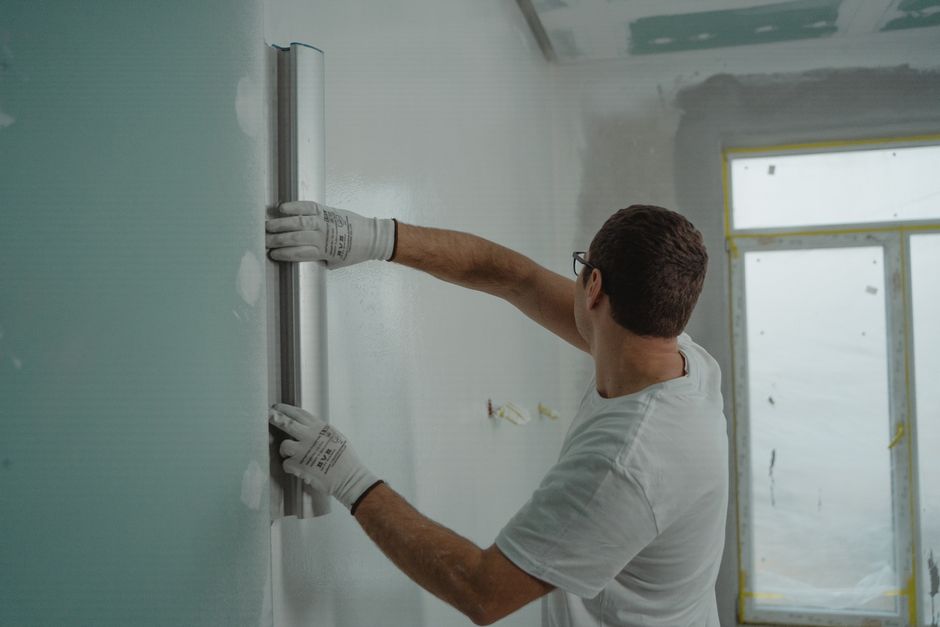
By the time the third coat of joint compound has dried, the wall has already shown what level it was taken to. The levels as set out at riverside drywall contractor birchis are stricter than the way most charts get read, because a drywall contractor in Riverside, CA is judged by how a wall looks when late sun runs flat across it, not by what the chart promised.
Level 3 is tape and two coats
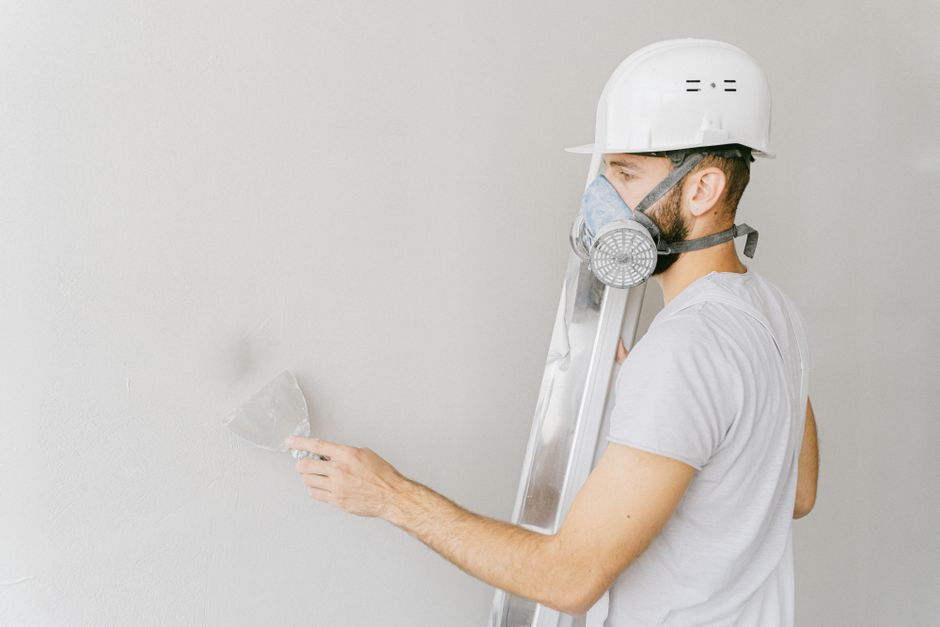
Level 3 means the paper tape or mesh tape is embedded, the first coat is on the seams and fastener heads, and a second coat covers them. It is sanded, but ridges and tool marks can still be felt with a palm. That is acceptable under a heavy texture, where the spray hides the joints, and under nothing else.
Level 4 is the usual flat wall
Level 4 adds a third coat over the joints and fasteners, usually topping compound feathered wider than the second coat. After sanding, the seams should disappear under a flat or matte paint in ordinary room light. Most bedrooms and hallways in Riverside homes are finished here, and it is the right level for a repair patch that has to vanish on a painted wall.
Level 5 is a skim coat over everything
Level 5 starts with level 4 and then a thin coat of joint compound is troweled or rolled across the entire surface of the gypsum board. The reason is suction. Paper and compound drink paint at different rates, and under satin or gloss that difference shows as dull bands over every joint. A skim coat gives one uniform surface, so the sheen reads evenly.
Matching the level to the paint
Flat paint forgives a great deal. Eggshell and satin forgive less. Gloss on a wall with level 4 work will outline every seam. A hallway with a window at one end is the hard case, because light slides along the wall surface for hours and finds every low spot.
Why repairs show when the level is wrong
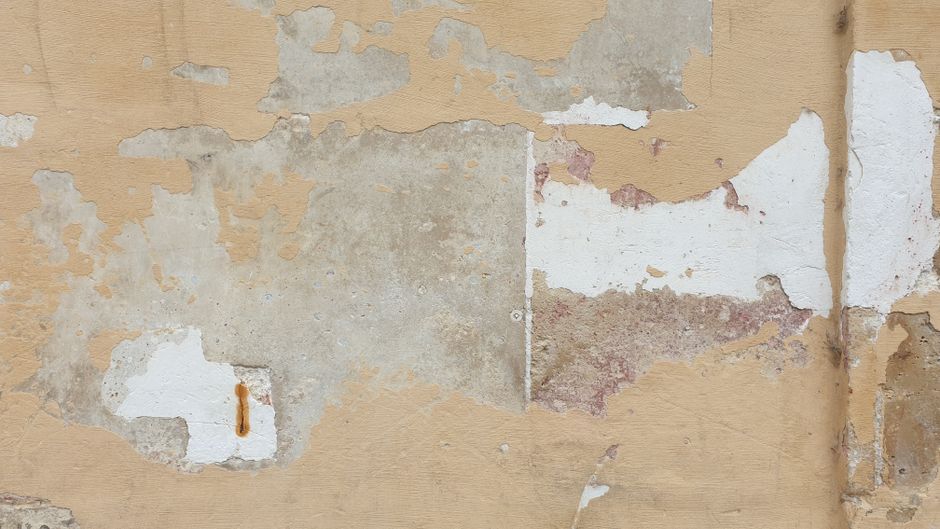
A patch finished to level 3 on a wall that was originally level 5 will always show, even when the color is exact, because the patch has a different surface texture and soaks up paint differently. The fix is to take the whole patch area, plus a margin on every side, to the same level as the wall around it. A sanded and primed patch on a smooth wall may need a skim coat past the edge of the repair to disappear.
Checking the work
Hold a work light flat against the wall and look along it. Ridges, pinholes and sanding scratches throw shadows before any paint goes on. A wall that passes that test will pass in daylight. A wall that fails it needs another pass of mud, not another coat of paint.